|
|
The history of culture of the Temur
Mongols put own system of allotment after Maverannahr occupation (XIII century).
In particular jaloyirs got Khojent, kabchins got upstream water of the Amudarya
and arlats the river basin of the Surkhandarya was given to arlats. Barloses
settled in the eastern part of Kashkadarya. This place was left them as a right
of succession. Barloses lived with the ancient inhabitants side by side in this
region side by side assumed ethnic character and got a mentality different from
previous one
The great state figure and a commander Amir Temur was born on April 9 in 1336 in
the kishlak Khuja Ilgor of this region. Temur’s political activity began in 1360
as a Khokim of Kesh . He began his activity with erecting of defense fortress of
Kesh , that became the first demonstration of beginning in struggle against
Mongolian conquerors. In 1364 he completed an agreement with khokim of Balkh,
Amir Khusrav, and retook the capital of Maverannahr, Samarkand, from Mongols. He
has begun energetic activity to accomplish towns and kishlaks and rise
population’s immateriality and enlightenment. The Central Asia began to prosper
in the Amir Temur and the Temurids’ epoch. Wealth collected by the great
commander Amir Temur gave him an opportunity to decorate the capital, Samarkand,
and his native town, the cetre of Kesh district, Shakhrisabz, with incredibly
beautiful buildings. Shakhrisabz became the 2d capital of the state, summer
resident of military Barloses.
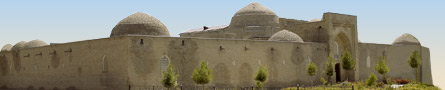
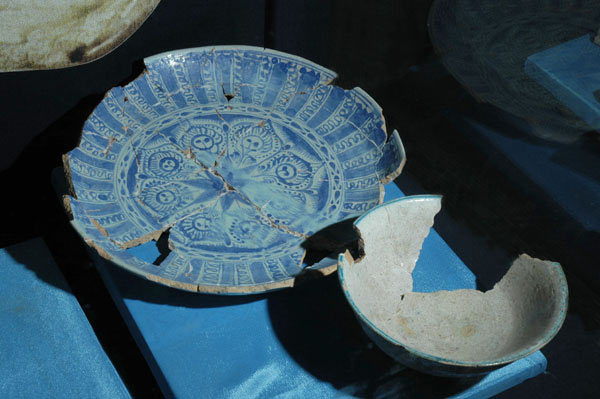
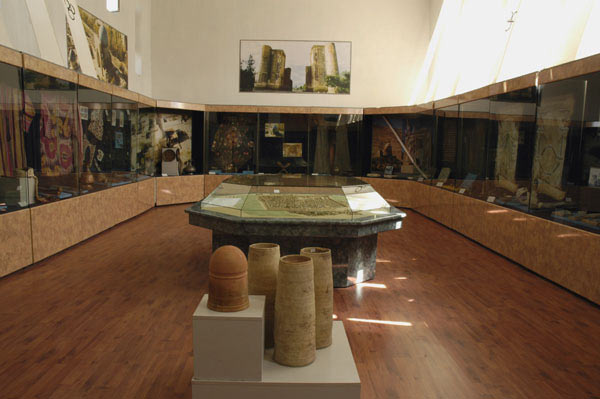
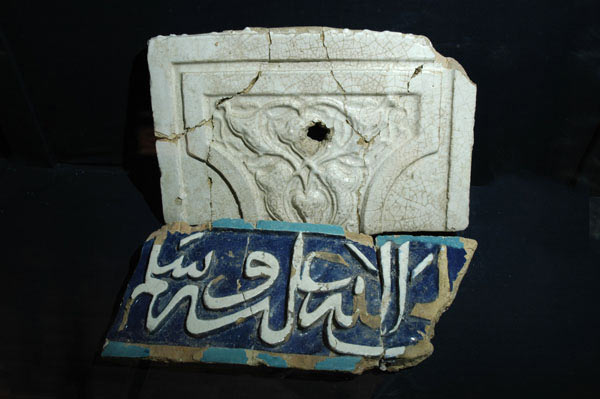
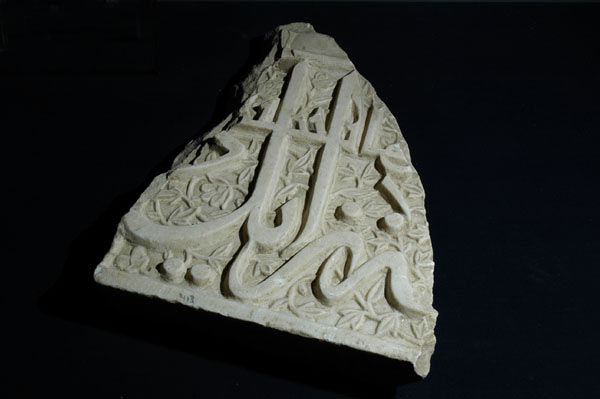
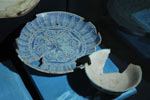
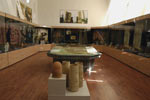
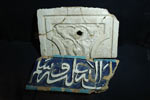
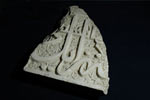
There are architectural decorations of the XIV-XVIth centuries, beautiful doors
in the style of wood engraving, common utensils which really reflected “the
Renaissance period oh the Central Asia” of the Temurids’ epoch in tne museum
fund.
|
|
|